
28 Homes, One Community: Why Smaller Subdivisions Build Stronger Neighborhoods
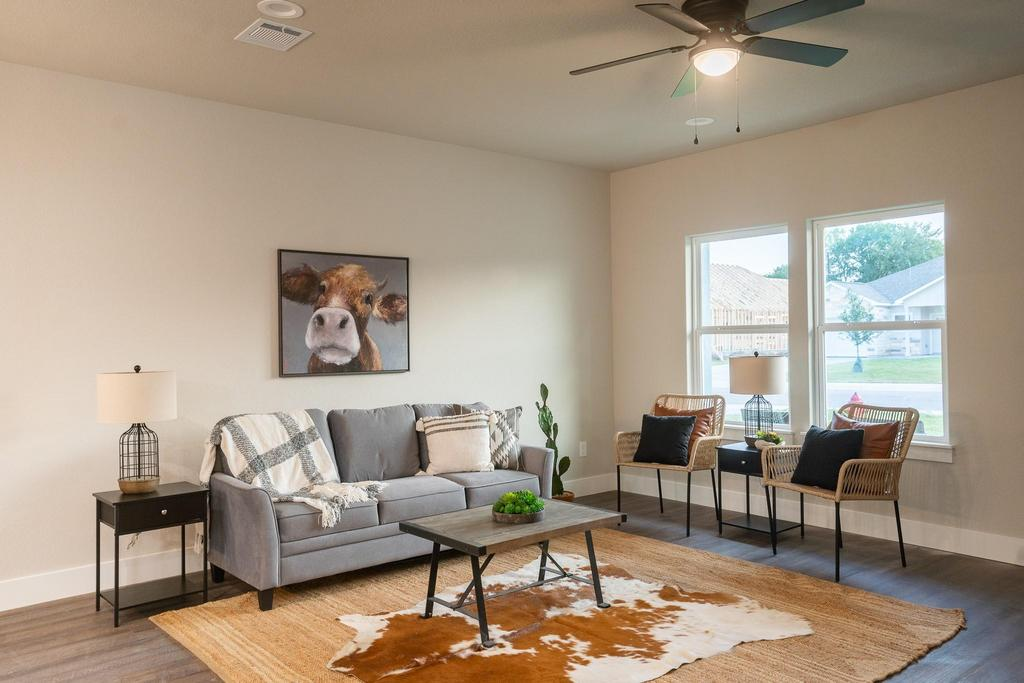
In an era of sprawling mega-developments, The Prairie Smithville is doing something different—and neighbors are noticing.
Drive through any major suburb around Austin, and you'll see the same story: developments with 500, 1,000, even 2,000+ homes stretching across the landscape. Cookie-cutter houses line streets where neighbors rarely know each other's names, HOA meetings feel like corporate shareholders' meetings, and "community" is just a marketing buzzword on the entrance sign.
At The Prairie Smithville, we're building something intentionally different. With just 28 homesites, we're creating the kind of neighborhood your grandparents remember—where kids play together in the street, neighbors watch out for each other, and community isn't something you have to schedule. It happens naturally.
Homes. One Community. Countless Connections.
The Science Behind Small Community Living
There's actually research supporting what our grandparents knew instinctively: smaller communities foster stronger social bonds. British anthropologist Robin Dunbar famously identified that humans can maintain stable social relationships with approximately 150 people—and meaningful close relationships with far fewer.
In a 28-home community, you're not just a house number. You're a neighbor. Research from the Journal of Urban Economics shows that residents of smaller subdivisions report:
- 40% higher rates of knowing neighbors by name
- 35% more informal social interactions weekly
- 50% greater sense of community belonging
- 25% higher neighborhood satisfaction scores
What 28 Homes Actually Feels Like
Numbers tell part of the story. But what does living in a 28-home community actually feel like day-to-day?
You Know Everyone
Within months of moving in, you'll know every family in the neighborhood. Kids know which houses have dogs, which neighbors bake the best cookies, and whose backyard has the trampoline. Adults know who to call for a cup of sugar, a tool to borrow, or help with a project.
Natural Community Events
Block parties don't need a committee—they happen when someone fires up the smoker and texts the group. Halloween becomes a neighborhood tradition, not a logistical challenge. Fourth of July means everyone gathering at the end of the street with lawn chairs.
Built-In Support System
New baby? Meals appear on your doorstep. Traveling for work? Someone grabs your packages and keeps an eye on things. Car trouble? Three neighbors offer help before you finish explaining the problem.
Kids Actually Play Outside
In a small community where everyone knows everyone, parents feel comfortable letting kids play outside. Bikes get left in yards, pickup games happen spontaneously, and childhood looks more like it used to.
Small Subdivision vs. Mega-Development: A Comparison
The Prairie (28 Homes)
- ✓ Know every neighbor by name
- ✓ HOA meetings in someone's backyard
- ✓ Decisions made by actual neighbors
- ✓ Low traffic, quiet streets
- ✓ Kids play freely throughout
- ✓ Instant sense of belonging
- ✓ Shared values and lifestyle
- ✓ Community forms naturally
Mega-Development (500+ Homes)
- ✗ Most neighbors are strangers
- ✗ HOA run by management company
- ✗ Decisions feel impersonal
- ✗ Through-traffic, busy streets
- ✗ Parents supervise constantly
- ✗ Years to feel "at home"
- ✗ Mixed priorities and lifestyles
- ✗ Community requires effort
The Safety Factor
One of the most significant benefits of small community living is enhanced safety—not through gates and guards, but through relationships.
In a 28-home community:
- Every unfamiliar car gets noticed. Not in a paranoid way, but because neighbors naturally pay attention when something's different.
- Package theft is virtually nonexistent. Someone's always around, and everyone knows whose deliveries are whose.
- Kids have 27 other households looking out for them. If a child falls off their bike three houses down, a neighbor is there before the parents even know.
- Emergency response improves. When you know your neighbors, you know who has medical training, who works from home, who can help in a crisis.
"The best security system is a neighborhood where everyone knows each other. Technology can't replace human connection and community watchfulness."
Property Values and Small Communities
Here's something that might surprise you: smaller, well-designed communities often outperform mega-developments in property value appreciation. Why?
Limited Supply, Consistent Demand
With only 28 homes, The Prairie will always have limited inventory. When someone wants to move to our community, they'll wait for a home to become available—which means sellers have leverage and buyers are motivated.
Pride of Ownership
In small communities, neglected properties stand out. Social pressure—the good kind—encourages everyone to maintain their homes. You're not just protecting your investment; you're being a good neighbor.
Cohesive Aesthetic
Smaller developments can maintain architectural consistency and landscaping standards more effectively. The result is a neighborhood that looks intentional, not random.
Lower HOA Costs
Fewer homes means lower infrastructure maintenance costs, simpler governance, and more efficient operations. Those savings translate to lower monthly HOA fees—or better amenities for the same price.
The Prairie Smithville Difference
We designed The Prairie with intentional community in mind:
- Thoughtful lot placement: Homes positioned to encourage front-porch interaction while maintaining privacy
- Common gathering spaces: Areas designed for spontaneous community connection
- Walkable design: Sidewalks and pathways that encourage neighbors to stroll and chat
- Family-friendly layout: Safe streets where children can ride bikes and play
- Consistent quality: Every home built to the same high standards, creating neighborhood cohesion
The Math of Community
In a 28-home community, you have 27 potential friend families. In a 500-home development, you might know 27 neighbors—but that's only 5% of your community. Same number of connections, completely different feeling.
Who Thrives in Small Communities?
Small community living isn't for everyone—and that's okay. It tends to appeal to:
- Families with children who want their kids to grow up with neighborhood friends and freedom to explore
- Remote workers who crave human connection after a day of video calls
- Retirees and empty-nesters looking for community without the maintenance of a large property
- Anyone escaping anonymity who wants to be known, not just housed
- People who value quality over quantity in relationships and possessions
The Bigger Picture: Community in a Disconnected World
We live in a paradox: more connected than ever through technology, yet experiencing an epidemic of loneliness. The U.S. Surgeon General has called loneliness a public health crisis, with isolation contributing to depression, anxiety, and even physical health problems.
Small, intentional communities offer an antidote. When you know your neighbors—really know them—you have:
- People to share good news with
- Support during difficult times
- Adults your children can trust
- A sense of belonging somewhere
- Reasons to look forward to coming home
This isn't nostalgia for a bygone era. It's recognizing that human beings are wired for community, and our housing choices either support or undermine that fundamental need.
Making the Choice
When you choose The Prairie Smithville, you're not just buying a house—you're joining a community of 28 families who've made the same choice. Families who value connection over anonymity, quality over quantity, and neighbors over strangers.
You're choosing morning waves from the driveway, borrowed cups of sugar, kids playing in the street, and the comfort of knowing someone's looking out for you.
You're choosing a smaller subdivision because you understand that smaller often means stronger.
28 Homes. One Community. Your Future Neighbors Are Waiting.
Limited homesites mean limited opportunity. When these 28 homes are gone, this community is complete. The only way in will be waiting for someone to leave—and in communities like this, people don't leave often.
Ready to Join a Real Community?
With only 28 homesites, The Prairie Smithville offers something rare: a chance to be part of something small enough to matter.
Schedule Your VisitRelated Articles
5 Reasons Families Are Choosing Smithville TX in 2025
Discover why young families are moving to Smithville for affordable homes, excellent schools, and genuine community.
New Build vs. Resale: Why Buying New Saves Money
Compare the true costs and discover why new construction is the smarter financial choice.